
The Different Methods of Hair Removal: What’s Right for You?
Hair removal is personal.
For some, it’s about comfort. For others, hygiene, skin sensitivity, cultural preference, or simply how they feel in their body. At Aesthetically Suite, I believe hair removal should feel safe, informed, and supportive — not rushed or intimidating.
Here’s a gentle breakdown of the most common methods, so you can decide what feels best for your skin and lifestyle.
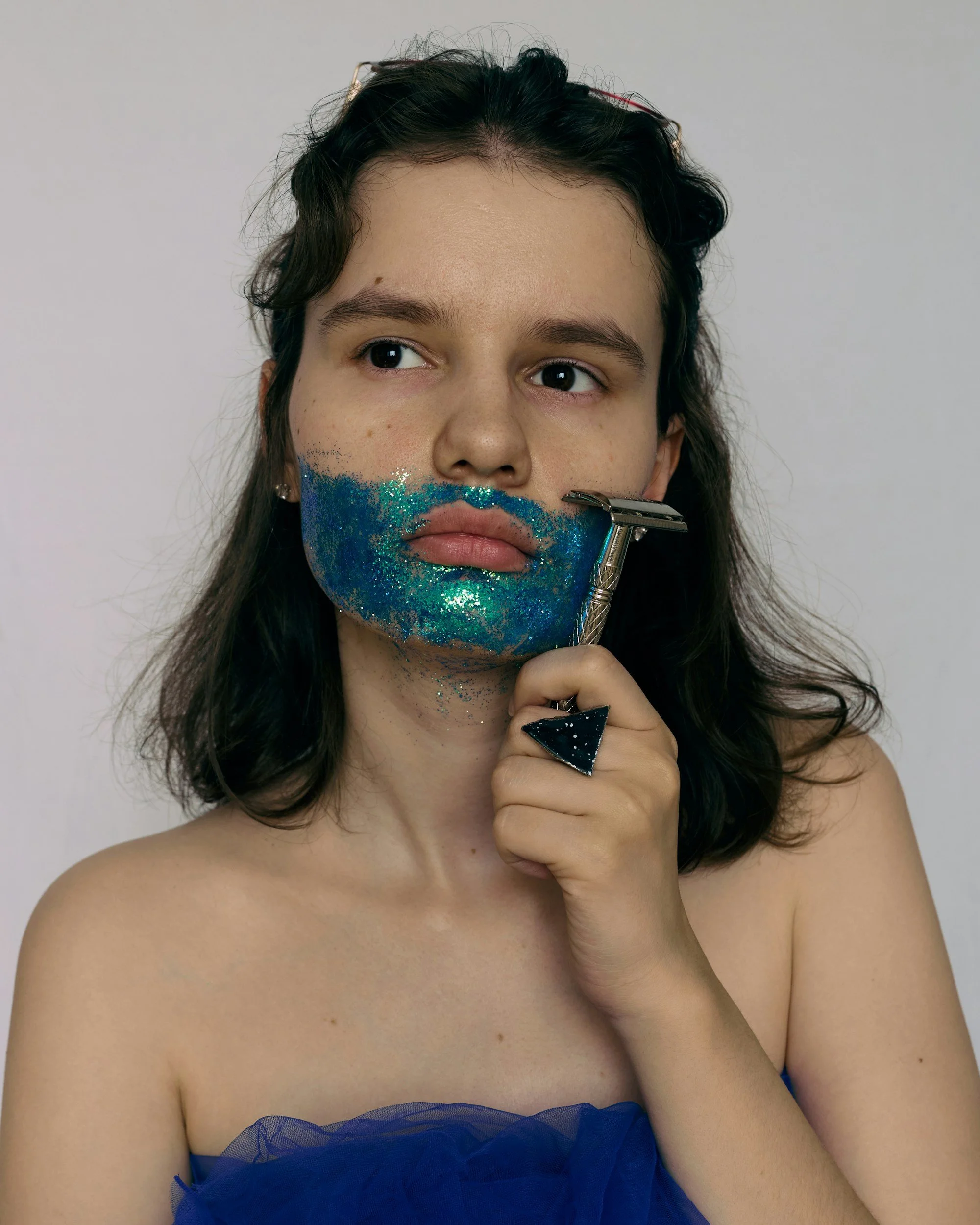
Shaving
Best for:
Quick maintenance, low cost, at-home care.
Pros:
• Fast and convenient
• Inexpensive
• Pain-free when done properly
Cons:
• Stubble returns quickly (1–3 days)
• Can cause razor bumps or ingrown hairs
• May irritate sensitive skin
Holistic Tip: Always shave on warm, hydrated skin and follow with a calming, fragrance-free moisturizer.
This is not my favorite method because of the number of micro-tears and irritation shaving causes. I have not shaved for 16 years and no plans on ever turning back.
Waxing
Best for:
Longer-lasting smoothness (3–6 weeks).
Pros:
• Slower regrowth
• Finer hair over time
• No daily upkeep
Cons:
• Temporary discomfort
• Requires some hair growth between visits
• Not ideal for certain medications or skin conditions
The type of wax used is also a huge factor. Especially when it comes to reactive skin types. Most soft waxes have a plastic in it that can cause a faster hardening after application (typically seen in hard waxes), however that without extra flexibility; that comes with the bad after sting and lingering “heat” or “burning” sensation from it attaching to the skin as well as the hair. Those plastics cause a majority of the breaking during waxing. I love a soft wax with minimal ingredients and less fillers.
Hard wax is perfect for drier skin types and curlier hair textures. But it does require post wax tweezing or going over the same area more than once or clean up with soft wax.
Trauma-Informed Note: Waxing should always be consent-based, paced, and respectful. You deserve to feel safe and in control during your appointment.
Sugaring
Best for:
Sensitive skin and those wanting a more natural option.
Pros:
• Gentle on skin
• Water-soluble and easy to clean
• Often less irritating than wax
Cons:
• Similar regrowth timeline as waxing
• May require multiple passes in coarse areas
Sugaring is often loved by clients who struggle with irritation or frequent ingrowns.
Sugaring is perfect for curly, thick or course hair. But all hair types can use it.
Cold sugar and heated sugar provide the exact same results, but cold sugar is better in my professional opinion.
Depilatory Creams
Best for:
Those who prefer not to shave but want an at-home method.
Pros:
• Painless
• Easy to use
• Slightly longer results than shaving
Cons:
• Strong odor
• Can cause chemical irritation/burns
• Not ideal for very sensitive skin
Patch testing is essential with this method.
Nair and Veet and similar brands have lead the trends of at-home hair removal. It can be beneficial in inconsistent time frames. like last minute choices but other than that, I would leave it on the shelves.
I don’t recommend using it in the nether regions.
Laser Hair Reduction
How it works:
Light energy targets the hair follicle to reduce growth over time.
Best for:
Long-term reduction.
Pros:
• Significant reduction after multiple sessions
• Smooth skin long term
• Reduces ingrowns
Cons:
• Requires multiple treatments
• Higher upfront cost
• Not suitable for all hair/skin types
Laser is considered reduction, not permanent removal — and consultation is key.
Electrology
How it works:
A very fine probe is inserted into each individual hair follicle. A small electrical current destroys the follicle’s ability to grow hair.
Best for:
Permanent hair removal of individual hairs, especially facial hair, hormonal hair growth, or small targeted areas.
Pros:
• Considered the only FDA-recognized method of permanent hair removal
• Works on all hair colors and skin tones
• Ideal for small areas like chin, upper lip, brows, or stray hairs
Cons:
• Treats one hair at a time (so it requires patience)
• Multiple sessions are needed to catch hairs in their growth cycle
• Can feel like a brief heat or prick sensation
Who Often Chooses Electrology:
• Clients with hormonal hair growth
• Those who are not good candidates for laser
• Individuals seeking permanent removal rather than reduction
• Clients wanting precision shaping
Trauma & the Nervous System: Living in Survival Mode
Trauma directly impacts the autonomic nervous system, which governs involuntary functions like heart rate, digestion, hormone release, and immune response.
When trauma occurs, the body may become stuck in:
Fight (hypervigilance, anxiety, irritability)
Flight (restlessness, inability to slow down)
Freeze (numbness, dissociation, shutdown)
Fawn (people-pleasing, loss of boundaries)
Over time, this chronic stress response can lead to:
Muscle tension and pain
Sleep disturbances
Hormonal imbalances
Chronic fatigue
Digestive and immune issues
The body is not failing — it is working overtime to stay safe.
The Mind–Body Loop: When Thoughts Become Physical
Trauma changes how the brain processes information, especially in areas responsible for:
Threat detection
Emotional regulation
Memory and safety
This can result in:
Anxiety or panic without a clear cause
Difficulty relaxing, even in safe environments
Feeling disconnected from the body
Heightened sensitivity to touch, sound, or stimulation
Because the mind and body communicate constantly, unresolved trauma often shows up physically — not because it’s “imagined,” but because stress hormones and neural pathways are deeply interconnected.
Trauma & the Skin: The Body’s Outer Nervous System
The skin is one of the most neurologically rich organs in the body. It responds directly to stress hormones like cortisol and adrenaline.
Chronic stress and trauma may contribute to:
Acne or breakouts
Eczema, psoriasis, or rashes
Rosacea and inflammation
Premature aging
Dullness or impaired skin barrier function
Heightened sensitivity to products or touch
When the body is in survival mode, it prioritizes protection over repair — meaning skin healing, collagen production, and cellular renewal can slow down.
This is why gentle, nervous-system-supportive care matters so much.
Why Traditional “Fix-It” Approaches Often Don’t Work
Many people with trauma histories feel frustrated when:
Treatments don’t “stick”
Skin conditions return
Relaxation feels impossible
Touch feels overwhelming or unpredictable
Healing doesn’t happen through force.
It happens through safety, consistency, and regulation.
Trauma-informed care honors:
Choice and consent
Predictability and pacing
Grounding before intensity
Listening to the body’s cues
Supporting Healing Through Trauma-Informed Care
While trauma healing is not linear — and never one-size-fits-all — practices that gently support the nervous system can help the body shift from survival into repair.
Supportive approaches may include:
Slow, intentional touch
Breath-aware treatments
Energy-based work
Lymphatic and craniosacral techniques
Facial and body treatments designed for regulation, not stimulation
Creating a space where the body feels safe enough to soften
Healing doesn’t require reliving the trauma.
It requires allowing the body to feel safe in the present moment.
A Gentle Reminder
If your body feels tense, reactive, exhausted, or sensitive — it is not a personal failure.
It is a protective response shaped by experience.
With the right support, patience, and compassion, the body can relearn safety, ease, and connection — at its own pace.
How Aesthetically Suite Holds Space
At Aesthetically Suite, every service is approached with a trauma-informed lens:
You are always in control
Consent and communication are prioritized
Treatments are adapted to your nervous system, not the other way around
Healing is honored as a process — not a performance
Your body already knows how to heal.
Sometimes it just needs a safe space to remember.

Nervous System Disruption: How to Find Safety and Balance in Your Body
It all begins with an idea.
By Aesthetically Suite — Trauma-Informed Holistic Healing

When life feels overwhelming, it’s not just “in your head.” It’s often your nervous system asking for support.
Stress, trauma, and constant overstimulation can leave your body stuck in a state of alert — making it hard to relax, sleep, or even feel at home in yourself.
What Happens When the Nervous System Is Disrupted
Your nervous system has two main modes:
Sympathetic (fight or flight) – When you’re stressed, anxious, or in danger
Parasympathetic (rest and digest) – When your body feels safe and can relax
In a healthy system, we flow naturally between these states. But chronic stress, trauma, or emotional overwhelm can trap us in fight, flight, or freeze, leading to symptoms like:
Tension, tight muscles, or headaches
Difficulty relaxing or sleeping
Feeling numb, disconnected, or “checked out”
Emotional sensitivity or burnout
Fatigue that rest doesn’t fix
This dysregulation isn’t a flaw — it’s your body trying to protect you. The goal isn’t to “turn off” your stress response but to help your body feel safe enough to rest again.
How to Support and Regulate Your Nervous System
Healing your nervous system is about creating safety, connection, and consistency.
Here are gentle ways to support your body and begin to restore balance:
Grounding techniques and practices:
Use your senses to help soothe your system and create a safe space for your healing.
Body scanning:
Focusing on what you feel within your body, whether it be pain or tension or even the energy around your body. What you smell, whether it be from your current state or ascent that brings you back to a safe place. What you can hear around you, if you have binaural beats playing/soothing soundscapes or local traffic/nature sounds that is calming to you. Don't forget touch. Even if you are by yourself in your meditation room or sitting in your car. Do you feel the floor or seat beneath you? Do you feel supported? If you are sitting with a friend or spouse, are they a comfort and allowing you to be soft with them?
Restorative Breathing practices:
Breathwork is a great place to start. Intentional breathing such as: “Box breathing” , Inhale for 4 counts, hold for 4 counts, exhale for 4 counts and hold for 4 counts. This method is best before bed to help promote sleep and relaxation.
Activate your vagus nerve: Allow your body to rest with a rhythmic flow to your breath. Inhale for 4 counts, hold for 2 counts, exhale for 6 counts.
Allow your being the gift of touch:
Follow me down this path for moment to connect the dots of touch.
When we think about babies, we soothe them by snuggling them with the softest hold, slow rhythmic rocking to calm them, gentle rubbing on their back or belly, letting them grasp your finger for comfort, soothing sounds like running water or white noise or even the dryer.
For my children, a short drive around the block put them right to sleep.
Why do we stop doing that for our adult bodies? Pause for a moment and think back to when we had this level of soothing.
Getting a massage is the best method of touch. It allows the body to rest while relieving tension. Certain techniques/modalitiescan be used to focus specifically on nervous system regulation, such as , Craniosacral Therapy, Reiki and Manual Lymphatic Drainage.
Journaling and/or Talk Therapy is an amazing tool that allows your thoughts to have freedom with judgment.
Allowing your spouse/partner to be an assistant in the healing journey is also a great way to deepen the bond and learning each others methods of regulation when either becomes overstimulated.
Connection through nature:
As much as we liked to stay indoors and stay wrapped in our cocoon for safety. Getting outdoors and letting our feet touch the grass/sand, the fresh air of the trees around you, watching the trees sway back and forth to mimic your breathing, watching the ripples and waves of the water.
Moral of the story:
Don't escape from everything, instead go on a journey. The journey keeps the goal in mind allows you to rewrite your future. Escaping keeps you in repetition of the past, preventing you from growth.